

Fitness Band Trackers: Because Looking at Your Wrist All Day Is the Best Way to Show You’re Healthy
Let’s be honest: fitness band trackers are like Wi-Fi routers for health: they are mysterious,
important, and a little too obnoxious. You put one on your wrist, believing it will miraculously
get you moving, but instead, it just nags you more than your group chat about how you’re not
living a “fit” life. These little wrist dictators make sure you never forget how little you actually
move, whether you’re counting steps or worrying about your heart rate like it’s a stock ticker.
Welcome to the club if you’ve ever run to catch your bus, checked your watch in a panic
hoping it qualifies as your daily workout, or cursed it secretly when it buzzed while you were
on the couch thinking about your life choices. Let’s get inside the steamy, over-tracked, and
a little sad world of fitness band trackers, as seen through the eyes of someone who is way
too wired to relax. Fitness Band Trackers:
Step Count Obsession: Your Tracker Knows That Sitting Is the New Smoking (and Your Tracker Knows It)
Fitness bands are always reminding you how little you moved today.
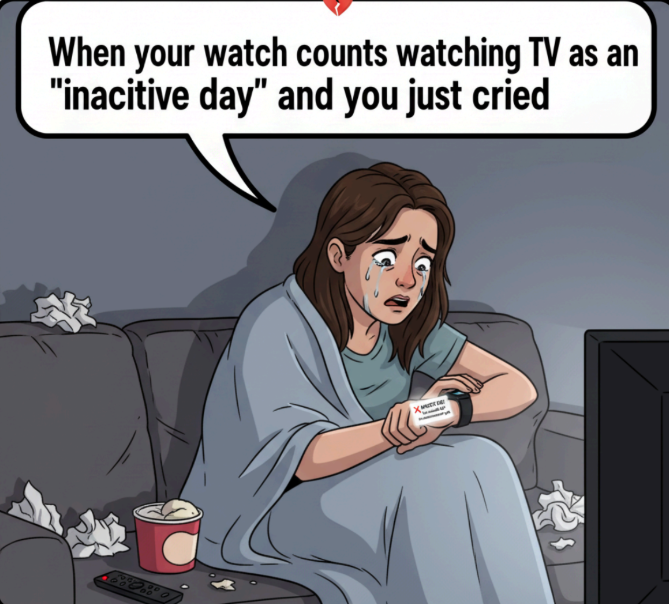
You know that sound? The one that tells you to “Time to move!” when you’re watching
Netflix. You haven’t done anything for an hour. No thanks, Fitbit. My soul needs a break from
reminders to move as much as my legs do. They keep track of every step you take, whether
you’re strolling to the fridge, shaking your head at work emails, or pacing nervously during a
Zoom session. Fitness Band Trackers:
It sounds possible to walk 10,000 steps a day until your couch gets really heavy.
That uncomfortable trip to the toilet in the middle of the night? You just got 200 steps! Good
job!
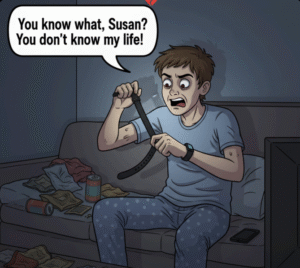
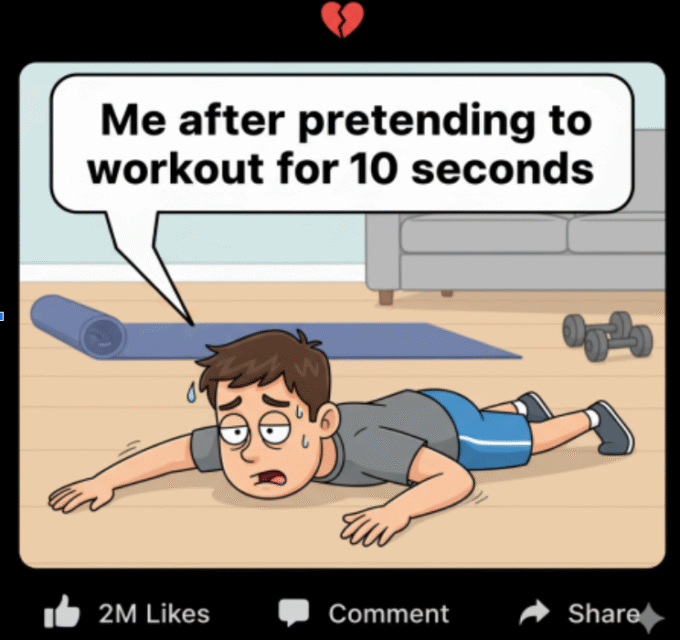
And yeah, walking around in your pyjamas doesn’t count as cardio, but your band won’t
care.
Just a thought: Why can’t it tell my boss about my “exercise” like that?
The Heart Rate Drama: Your wrist freaks out more than you do on Monday mornings.
What does your fitness tracker like to do? Overreacting to feelings, which can make your
heart rate go up and make you feel like you’re dying. Fitness Band Trackers:
You noticed a spider at 7:30 in the morning, and now your tracker is glowing red like you just
ran a marathon. At the same time, your “resting heart rate” is criticising you for that third cup
of coffee. It’s like having a little fitness instructor on your arm that never sleeps and always
judges you. Fitness Band Trackers:
Recovery after a workout? More like “get over panic attacks caused by your own wrist.”
Heart rate zones? Choose one, any one, and see how it turns your tranquil walk into a
“cardio explosion.” Fitness Band Trackers:
Pro tip: Keep an eye on your stress levels because it seems like your gadget knows when
- you’re ready to take off your headphones.
- Why does my wrist’s panic attack seem so much worse than mine?
- Sleep Tracking: Because You Need to Know How Well You Sleep
Tracking your sleep makes sure you don’t even sleep badly. Fitness Band Trackers:
Your fitness band watches you like a creepy night guard and then tells you how “restorative”
your naps were. Spoiler alert: they definitely weren’t. It keeps track of how many times you
toss and turn, how many times you go into REM sleep, and that one time you stared at the
ceiling and thought about your life choices.
- Can’t sleep? It watches you and discreetly judges every minute you spend awake.
“Good sleep” metrics seem like an unachievable goal that has been reached. - Your real brain is questioning if it’s normal to watch a lot of philosophical arguments at 2 a.m.
As an aside, could it just suggest a sleep coach? Asking for a companion who is definitely
you.
The Data Overload: When Your Wrist Knows More About You Than Your Therapist
Your fitness tracker is like a little stalker you let in since it has all these stats, graphs, and
trends.
- It’s crazy how much information these gadgets gather. Your device somehow keeps track of
all of these things: steps, calories, heart rate, sleep, and stress. Fitness apps aim to sell you - personalised suggestions, but most of the time, all they do is send you a lot of “did you
know” notifications that you didn’t ask for. - Good luck figuring out what your “body battery” or “readiness score” means.
- When your app tells you to “rest more” and “move more” at the same time, it gets confusing.
You can find yourself comparing stats with others as if you were in a strange digital gym
race.
Honestly, the data doesn’t feel like insight; it feels more like a relationship that needs a lot of
work.
- You made it through the crazy rollercoaster of being obsessed with fitness bands, and if
you’re still wearing that little thing on your wrist without hurling it across the room, good for
you. These trackers are like your most passive-aggressive personal trainer who never takes
a break. They buzz, beep, and flash alerts that you’ve been sitting still for too long, and then
they watch with little pity when you fail to hit some random step target because, hello, - pandemic or your noble attempt to not move too much on a weekend.
- But here’s the truth: fitness bands don’t make you an expert on health. They just show you
your habits in a brutally honest way, with no sugarcoating. They call you out when you’re
lazy, applaud when you really move, and make sure you can’t conceal your bad workout - choices behind excuses like “I’m just resting my eyes.” They also gather a lot of data that is
scary, so if you ever think that Big Tech knows your heart rate better than your mum does,
then… welcome to 2025.
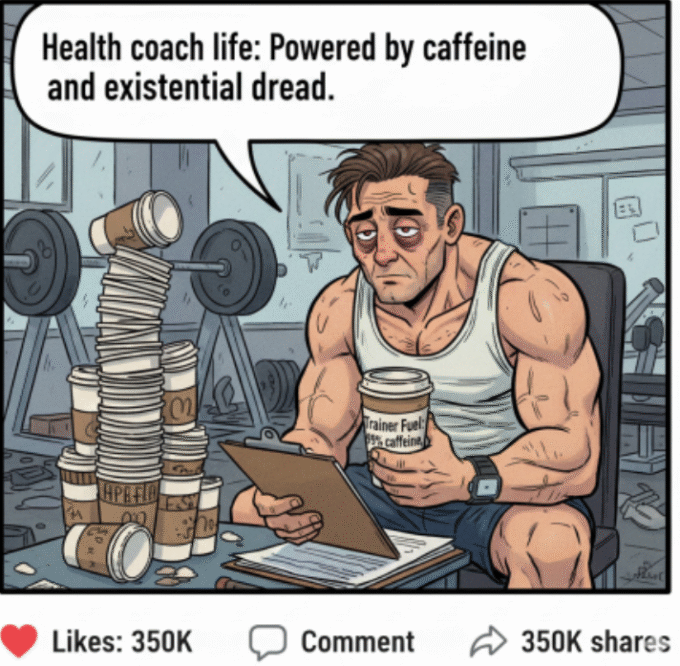
In the end, fitness bands are only beneficial if you don’t ignore their nagging or throw them in
a drawer after five days. Depending on your attitude and how much caffeine you’ve had, they
can be a low-key way to keep track of your progress or the source of your daily existential
dread.
Meta Description : Fitness trackers: are small, judgemental devices that
keep track of your steps, calories, and the deep sorrow you feel for
binge-watching instead of working out.
- So, wear that wrist device like a badge of your hectic healthy goals. Don’t take their advice
too seriously. Celebrate the small wins (like making it through a complete 30-minute walk),
and remember that it’s all about making progress, not being flawless. And what if nothing
else works? Just think of the buzzing “move now” reminders as love taps from a healthier
version of you in the future. Fitness Band Trackers:
You deserve a break. Go ahead and refill your coffee, stretch out, and get ready for your fitness band to judge you again tomorrow.




Leave a comment